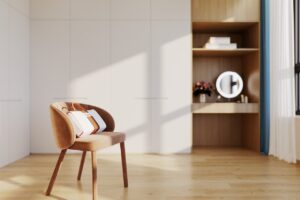
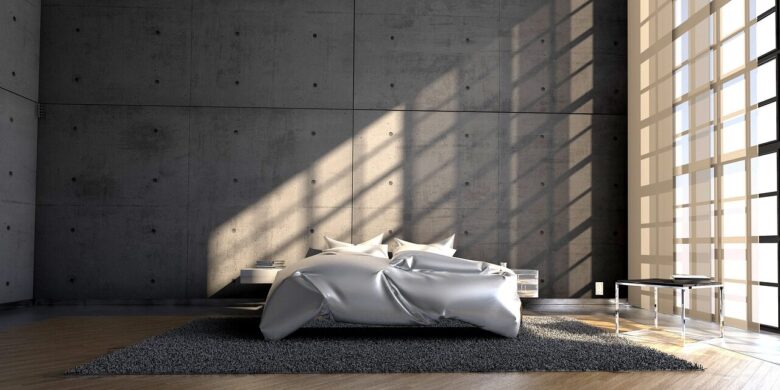
Minimalist living is a practical way to reduce stress by owning fewer things, making fewer daily decisions, and creating a home that feels easier to manage. It does not mean living with empty rooms, giving up comfort, or copying a strict aesthetic. At its best, it means keeping what supports your real life and removing what quietly adds pressure.
Many people feel overwhelmed not because they own one specific item, but because too many objects compete for attention at the same time. Clothes that no longer fit, duplicate kitchen tools, old paperwork, unused decorations, and random storage boxes can turn normal routines into small daily frustrations.
Owning less can make your space easier to clean, your choices easier to make, and your priorities easier to see. The goal is not perfection. The goal is to create a home where your belongings serve you instead of constantly asking for your time, energy, and space.
This guide explains how to start minimalist living in a realistic way, especially if you are a beginner. You will learn how to identify clutter, decide what to keep, avoid common mistakes, and build simple habits that make your home feel calmer without extreme rules.
Minimalism works best when it is flexible. A student, a parent, a remote worker, and someone living in a small apartment will all need different things. The right version is the one that helps your daily life feel lighter, not the one that looks impressive to other people.
Important note: If clutter is connected to anxiety, grief, family conflict, financial pressure, or difficulty making basic decisions, use this guide as general education and consider seeking support from a qualified professional when needed.
Why minimalist living can reduce daily stress
Clutter can create stress because too many objects compete for your attention. Even when you are not actively thinking about every item, a crowded room can remind you of unfinished tasks, old decisions, and things you still need to organize.
Minimalist living reduces that pressure by making your environment simpler. When surfaces are clearer, storage is easier to use, and every item has a purpose, your home becomes less demanding. You spend less time searching, moving things around, and feeling behind.
In many cases, the biggest benefit appears in small routines. Getting dressed becomes easier when your closet only contains clothes you actually wear. Cooking becomes calmer when kitchen drawers are not full of duplicates. Cleaning takes less effort when you do not need to move ten things before wiping one surface.
| Source of stress | How owning less helps | Practical example |
|---|---|---|
| Too many choices | Fewer items make decisions faster. | A smaller wardrobe makes mornings simpler. |
| Messy surfaces | Clear areas make rooms feel calmer. | A clean desk helps you focus on one task. |
| Hard-to-use storage | Less volume makes drawers and shelves easier to manage. | Kitchen tools are easier to find when duplicates are removed. |
| Unfinished tasks | Removing unused items reduces reminders of projects you no longer want. | Old hobby supplies stop taking up space if the hobby is no longer part of your life. |
Minimalist living does not mean owning almost nothing
A common misunderstanding is that minimalism requires a nearly empty home. That idea can make beginners feel pressured before they even start. Real minimalist living is not about reaching a fixed number of possessions. It is about removing what does not serve your current life.
You can still own books, tools, decorations, hobby supplies, sentimental items, and comfortable furniture. The difference is that these things should have a reason to stay. They can be useful, beautiful, meaningful, or connected to something you genuinely value.
Before removing anything, ask whether the item supports your real routines. A spare blanket may be useful. A box of cables you have not opened in five years may not be. A few family photos may bring comfort. Ten boxes of forgotten keepsakes may create pressure instead of connection.
- Keep items that are useful in your current life.
- Keep items that bring real comfort, not guilt.
- Keep tools, documents, and supplies you truly need.
- Remove duplicates that do not have a clear purpose.
- Remove items kept only because they were expensive in the past.
- Remove things that make your space harder to use every day.
How to start reducing clutter without feeling overwhelmed
The easiest way to begin is to start small. Many people struggle because they try to transform the whole home in one weekend. That usually creates more mess, more pressure, and more unfinished piles. A better approach is to choose one limited area and complete it fully.
A drawer, one shelf, a bedside table, or a single bag can be enough for the first session. The goal is to create visible progress without turning decluttering into a stressful project. Once you experience one small win, the next step feels easier.
During the process, avoid making every item a deep emotional decision. Some objects require thought, but many do not. Expired products, broken items, duplicate packaging, old receipts, and random objects without a function can usually be handled quickly.
-
Choose one small area.
Start with a drawer, shelf, bag, or surface. A small area helps you finish the task instead of creating a bigger mess.
-
Remove everything from that area.
Seeing the full amount helps you notice duplicates, damaged items, and things that do not belong there.
-
Sort items into simple groups.
Use categories such as keep, donate, recycle, trash, and decide later. Avoid creating too many categories because that can slow you down.
-
Return only what belongs there.
Put back the items you use, need, or value. Leave empty space when possible so the area remains easy to use.
-
Remove the unwanted items quickly.
Take trash, recycling, and donations out of the room soon. Keeping bags around for weeks can turn progress into new clutter.
-
Review the area after a few days.
Notice whether the space feels easier to use. If it does, repeat the same method in another small area.
What to keep, donate, recycle, or throw away
One reason decluttering feels hard is that every object seems to have a possible use. The problem is that possible use is not the same as real use. If you keep everything because it might be useful someday, your home can become storage for an imaginary future instead of support for your current life.
A practical rule is to judge items by use, condition, value, and accessibility. If something is useful but impossible to find when needed, it is not working well in your home. If something is meaningful but hidden in a damaged box, it may need better storage or a smaller, more intentional place.
For items with emotional weight, move slowly. You do not need to remove sentimental belongings immediately. In many cases, it is better to start with easy categories first and return to emotional items after you have built confidence.
| Category | Best decision | What to check first |
|---|---|---|
| Items used weekly | Keep and store where they are easy to reach. | Make sure they are in good condition. |
| Useful duplicates | Keep only the amount you realistically need. | Check whether duplicates solve a real problem. |
| Unused but in good condition | Donate, sell, or give away. | Confirm that you have not used it in a long time. |
| Broken items | Repair only if you will do it soon; otherwise remove. | Ask whether repair cost and effort are worth it. |
| Sentimental items | Keep the most meaningful pieces intentionally. | Avoid rushing decisions connected to grief or family history. |
| Old paperwork | Shred, recycle, or file properly depending on importance. | Check whether the document is still legally or financially needed. |
Room-by-room minimalist living checklist
A room-by-room approach keeps the process organized. Instead of asking, “How do I declutter my whole life?” ask, “What is making this room harder to use?” That question leads to better decisions because every room has a different purpose.
In the bedroom, focus on rest and simple mornings. In the kitchen, focus on easy cooking and cleaning. In the living room, focus on comfort and shared space. In a workspace, focus on attention and access to the tools you actually use.
In practice, the most stressful areas are often the ones used every day. A messy entryway, overloaded closet, or crowded kitchen counter can affect your mood more than a storage box you rarely see. Start where clutter interrupts your routine most often.
- Bedroom: remove clothes you do not wear and items that do not support rest.
- Kitchen: reduce duplicate tools, expired food, and crowded counters.
- Bathroom: discard expired products and keep daily items visible but limited.
- Living room: remove random objects that do not belong in shared spaces.
- Workspace: keep only current documents, active tools, and essential supplies nearby.
- Entryway: create one place for keys, bags, shoes, and daily essentials.
- Storage areas: label boxes clearly and avoid storing items without a purpose.
Common mistakes that make minimalism stressful
Minimalism should reduce pressure, not create a new form of perfectionism. One common mistake is trying to copy someone else’s lifestyle. A person who travels often may need fewer household items than someone caring for a family, working from home, or managing many responsibilities.
Another mistake is removing too much too quickly. This can lead to regret, especially with documents, tools, seasonal items, or sentimental belongings. It is better to make steady decisions than to create a dramatic purge that you later need to undo.
Buying “minimalist” products is another trap. Storage boxes, matching containers, neutral furniture, and special organizers can be useful, but they do not solve clutter by themselves. If you organize too many unnecessary items, you may only create prettier clutter.
| Common mistake | Why it causes stress | Better approach |
|---|---|---|
| Decluttering the whole home at once | It creates large piles and unfinished work. | Start with one small area and finish it fully. |
| Copying extreme minimalism | It may not fit your real needs. | Build a version that supports your lifestyle. |
| Throwing away sentimental items too fast | It can create regret or emotional pressure. | Save emotional categories for later. |
| Buying organizers before decluttering | It hides clutter instead of reducing it. | Remove unnecessary items first, then organize what remains. |
| Keeping things out of guilt | It turns belongings into emotional debt. | Separate the object from the memory, person, or money spent. |
How to stop clutter from coming back
Decluttering once can help, but minimalist living becomes easier when you also control what enters your home. Without a simple system, new purchases, gifts, papers, packaging, and unfinished projects can slowly rebuild the same problem.
A useful habit is the pause-before-buying rule. Before bringing something new home, ask where it will live, how often you will use it, and whether it replaces something you already own. This short pause prevents many unnecessary items from entering your space.
Another helpful method is a regular reset. This does not need to be a major cleaning day. Ten minutes at the end of the day or one short weekly review can keep surfaces clear, return items to their places, and reveal what is starting to pile up again.
- Pause before buying non-essential items.
- Ask where each new item will be stored.
- Remove one similar item when a replacement enters your home.
- Open mail and paperwork near a recycling or shredding area.
- Keep donation bags moving out instead of storing them for months.
- Review crowded areas before buying new storage products.
When to ask for help or use a slower approach
Sometimes clutter is not just a home organization issue. It may be connected to stress, major life changes, grief, money worries, family disagreements, or difficulty letting go of objects. In those cases, a slower and more supportive approach is safer.
Consider asking for help if you feel stuck, ashamed, or unable to make decisions even in small areas. Help can come from a trusted friend, a family member, a professional organizer, a therapist, or another qualified professional depending on the situation.
You should also be careful with documents, tax records, legal papers, medical records, warranties, and financial information. Do not throw away important paperwork just to make a space look cleaner. When unsure, confirm what needs to be kept with an official source or qualified professional.
| Situation | Possible support | Why it helps |
|---|---|---|
| Clutter feels emotionally painful | Therapist or counselor | They can help with feelings connected to belongings. |
| You cannot decide where to start | Professional organizer or trusted helper | They can create structure and reduce decision fatigue. |
| Family members disagree | Calm conversation or neutral support | Shared spaces need shared expectations. |
| Important paperwork is mixed with clutter | Official source or qualified professional | Some documents may need to be kept for legal, tax, or financial reasons. |
Conclusion
Minimalist living is not about owning the fewest things possible. It is about reducing the objects, choices, and unfinished tasks that quietly add stress to everyday life. When your home contains what you use, value, and can manage, it becomes easier to rest, focus, and move through daily routines.
The best way to begin is small: choose one area, remove what clearly does not belong, and create a simple place for what remains. Over time, these small decisions can make your home feel lighter without forcing you into extreme rules or unrealistic standards.
If clutter feels emotionally difficult, involves important documents, or affects your well-being, take a slower approach and seek support when needed. Minimalist living should make life calmer, not harsher, and the right version is the one that helps your real life work better.
FAQ
1. What is minimalist living in simple terms?
Minimalist living means owning and keeping the things that support your life while removing items that create unnecessary stress, clutter, or distraction. It does not mean having an empty home or following strict design rules. A minimalist home can still feel warm, personal, and comfortable. The main idea is to be more intentional with your space, money, time, and attention. Instead of keeping things automatically, you decide what deserves space in your home. This can make daily routines simpler and reduce the pressure caused by too many belongings.
2. Can owning less really reduce stress?
Owning less can reduce stress for many people because fewer belongings often mean fewer decisions, less cleaning, less searching, and less visual noise. A crowded room can remind you of unfinished tasks, while a simpler space can feel easier to manage. However, owning less is not a cure for every type of stress. If stress comes from work, relationships, health, finances, or emotional challenges, decluttering may help your environment but may not solve the deeper issue. Minimalism works best as one practical tool, not as a complete solution for every problem.
3. Do I need to throw away most of my things to become minimalist?
No. You do not need to throw away most of your things. Minimalism is not a competition to own as little as possible. It is a personal process of deciding what is useful, meaningful, and manageable for you. Some people need more tools, clothes, books, or household items than others because their routines are different. The goal is not to remove everything, but to remove what no longer serves your life. A balanced approach prevents regret and makes the process feel more realistic.
4. What is the easiest room to start with?
The easiest room is usually the one with low emotional pressure and visible daily impact. For many people, this is the bathroom, kitchen counter, entryway, or one clothing drawer. Avoid starting with sentimental boxes, old photos, family documents, or large storage areas if you are a beginner. Those categories often require more emotional energy. Starting with simple items builds confidence. Once you complete one small area, you can use the same method in more difficult spaces.
5. How do I decide what to keep?
Ask whether the item is useful, meaningful, in good condition, and realistic for your current life. If you use it often, need it for an important task, or truly value it, it may deserve a place in your home. If you keep it only because it was expensive, because someone gave it to you, or because you feel guilty, it may be worth reconsidering. For uncertain items, use a temporary box and review them later instead of forcing an immediate decision.
6. What should I do with sentimental items?
Sentimental items should be handled slowly and respectfully. Do not start your minimalist journey with the most emotional belongings. Begin with easier clutter first, then return to sentimental items when you feel more confident. You can keep the most meaningful pieces, take photos of items you do not need to physically keep, or create one dedicated memory box. The goal is not to erase memories. The goal is to keep memories in a way that brings comfort instead of pressure.
7. Is minimalism expensive?
Minimalism should not be expensive. In fact, one of its benefits is that it can reduce unnecessary spending. You do not need special furniture, matching containers, neutral decorations, or expensive storage systems to live with less. The first step is usually free: remove what you do not use, organize what remains, and pause before buying more. Spending money on “minimalist” products before decluttering can become another form of clutter. Buy storage only after you know what actually needs to be stored.
8. How can I practice minimalism with a family?
Minimalism with a family requires communication, patience, and respect. Do not remove other people’s belongings without permission. Start with your own items or shared spaces where everyone agrees there is a problem. Create simple systems that are easy for everyone to follow, such as one place for shoes, one basket for daily items, or clear limits for toys and paperwork. The goal is not to force everyone into the same standard. The goal is to make the home easier for the people who live there.
9. What if I regret getting rid of something?
Regret can happen, especially when decisions are rushed. To reduce that risk, start with obvious clutter and avoid making fast decisions about sentimental items, expensive tools, legal documents, or seasonal belongings. For uncertain items, place them in a “maybe” box with a review date. If you do not use or miss them after a reasonable period, it may be easier to let them go. Minimalism should feel thoughtful, not impulsive. A slower process is often better than a dramatic purge.
10. How do I stop buying things I do not need?
Create a pause between wanting and buying. Before purchasing, ask where the item will live, how often you will use it, whether you already own something similar, and whether it solves a real problem. You can also use a waiting period for non-essential purchases. This helps separate real needs from temporary excitement. Unsubscribing from promotional emails, avoiding browsing shopping apps when bored, and keeping a simple wish list can also reduce impulse buying.
11. How often should I declutter?
You do not need to declutter every day. A small weekly reset or a monthly review is enough for many people. The best schedule depends on your home, routines, and how quickly clutter builds up. High-use areas like counters, desks, entryways, and closets may need more frequent attention. Storage areas can be reviewed less often. The key is consistency. Short, regular sessions usually work better than rare, exhausting cleanouts that take an entire weekend.
12. What is the difference between decluttering and minimalist living?
Decluttering is the act of removing or organizing excess items. Minimalist living is the broader habit of being intentional about what you own, buy, store, and maintain. Decluttering can be one step toward minimalism, but minimalism also includes preventing clutter from returning. For example, you might clear your closet once, but minimalist living asks you to think differently before buying more clothes. One is a task; the other is an ongoing approach to daily life.
13. Can minimalism help me save time?
Minimalism can help save time because fewer items usually mean less cleaning, fewer decisions, and faster access to what you need. A simple closet can make getting dressed quicker. A clear kitchen counter can make cooking easier. A focused workspace can reduce the time spent searching for documents or supplies. The time saved may seem small at first, but repeated daily routines can add up. The benefit is not only speed, but also less frustration during ordinary tasks.
14. When should I get professional help with clutter?
Consider professional help if clutter feels impossible to manage, causes serious conflict, blocks important areas of the home, or is connected to anxiety, grief, trauma, or strong emotional distress. A professional organizer may help with systems and decisions, while a mental health professional may be more appropriate when clutter is tied to deeper emotional challenges. If documents, legal papers, financial records, or safety risks are involved, seek qualified guidance before removing important items.
Editorial note: This article is for general educational purposes. Minimalist living can support a calmer home, but it does not replace professional mental health, legal, financial, or organizational support when clutter is connected to serious stress, important documents, safety concerns, or emotional difficulty.
The Exodus Flow Editorial Team publishes practical and realistic content about decluttering, small-space organization, daily productivity, home routines, simple living, and creating calmer, more functional spaces.
Our guides are prepared for general informational purposes, with a focus on clear steps, achievable changes, realistic expectations, and solutions that can fit everyday homes and busy routines.