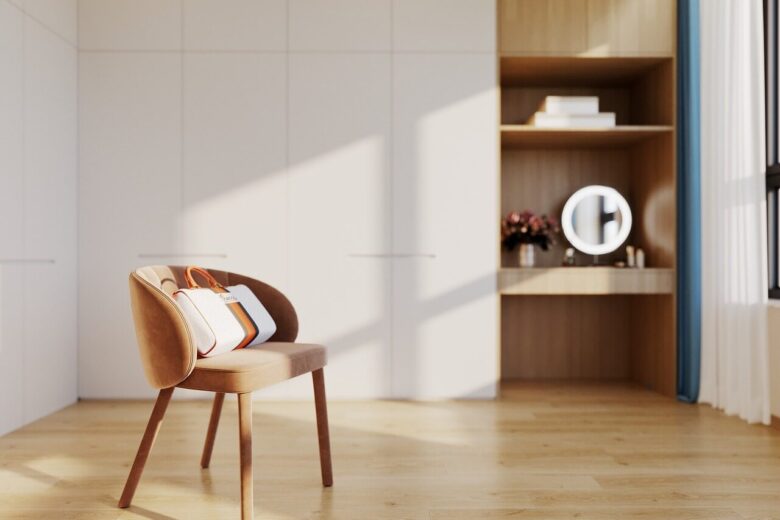
Minimalist living lowers stress by reducing clutter, decision fatigue, and financial pressure. Owning less creates calmer spaces, clearer priorities, and more time for what truly matters.
Month: March 2026
Staying focused at home starts with structure: set clear work blocks, silence nonessential notifications, and keep a dedicated workspace. Small routines reduce distractions and protect mental energy.
A sustainable daily routine starts with realistic habits, clear priorities, and built-in flexibility. Keep it simple, track what works, and adjust gradually so consistency feels natural, not forced.
Most productivity systems fail because they optimize for tracking, not traction. Use a simple workflow built on priorities, time blocks, and regular review to turn plans into consistent progress.
Maximize a tiny closet by using vertical storage, slim hangers, shelf dividers, and door organizers. Rotate seasonal items out, and keep only what fits your current routine.
Time blocking can feel rigid, but it works best when kept loose: group similar tasks, assign broad focus windows, and leave buffer time. You gain structure without micromanaging every hour.
Use vertical space with wall shelves, choose beds with drawers, and add slim entryway cabinets. The best small-apartment storage hides clutter while keeping everyday items easy to reach.
Define zones with rugs or shelving, choose multi-functional furniture, and use vertical storage to free floor space. Keep daily essentials accessible and hidden storage for visual calm.